Applications
White onions are best suited for both raw and cooked applications such as roasting, grilling, sautéing, and frying. When used fresh, the onions can be diced and tossed into a salad, minced and mixed into white sauces, salsa, and guacamole, or layered on sandwiches, burgers, and wraps. White onions can also be chopped and added to soups, stews, and stocks, baked into casseroles, grilled and served with roasted meats, or used as a pizza topping. White onions pair well with tomatoes, jalapenos, carrots, parsnips, turnips, potatoes, garlic, fennel, herbs such as bay leaves, tarragon, rosemary, marjoram, cilantro, and thyme, meats such as poultry, beef, and pork, seafood, beans, rice, and spices such as cumin, cinnamon, coriander, anise and cloves. The bulbs will keep 1-2 months when stored in a cool, dry, and dark place.
White Onion
$95.17
Description/Taste
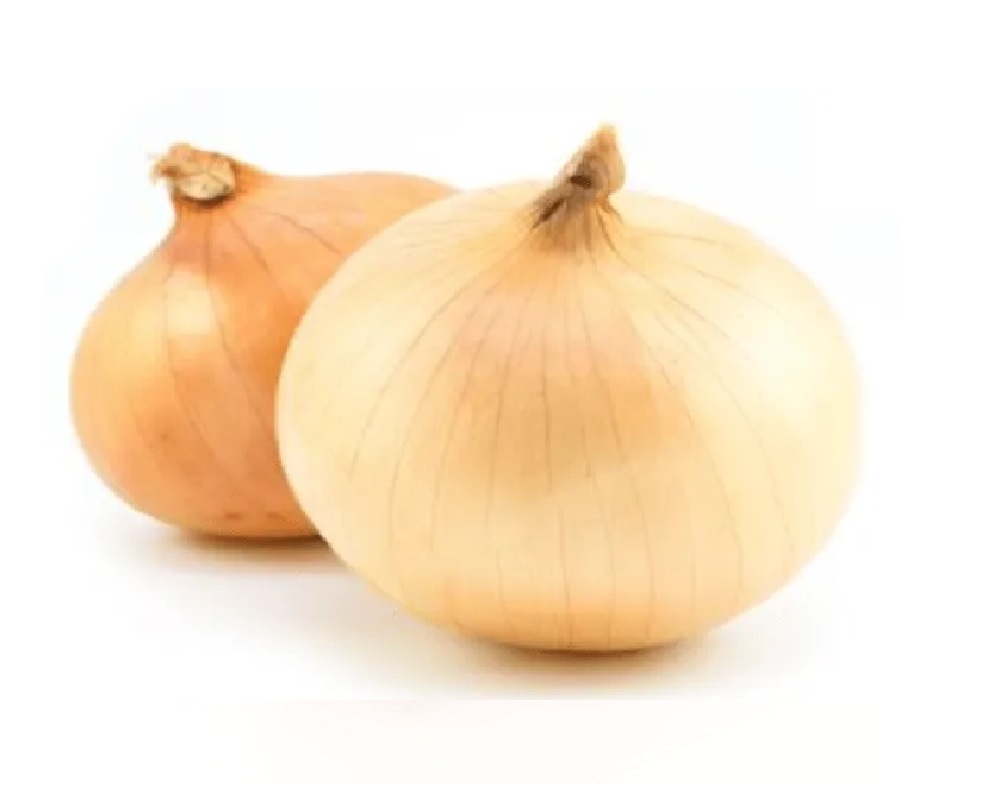
White onions are medium to large in size and are globular in shape with rounded or slightly tapered ends. The bulb is encased in a bright white, papery, parchment-like skin that is flaky, dry, and thin. Underneath the skin, the white, almost translucent flesh is firm, crisp, and juicy with many layers of thin white rings. White onions are crunchy and tender with a pungent, mildly sweet flavor and have a mellow, non-abrasive aftertaste.
Seasons/AvailabilityWhite onions are available year-round.
Current Facts
White onions, botanically classified as Allium cepa, are a long-storage variety that are members of the Amaryllidaceous family. There are many different varieties of White onions, and these varieties account for approximately five percent of the United States commercial onion market. Used extensively in Mexican cuisine, White onions are favored by chefs and home cooks for their mild, semi-sweet and sharp flavor.
Nutritional Value
White onions contain vitamin C, fiber, potassium, calcium, and iron.
800 kg available